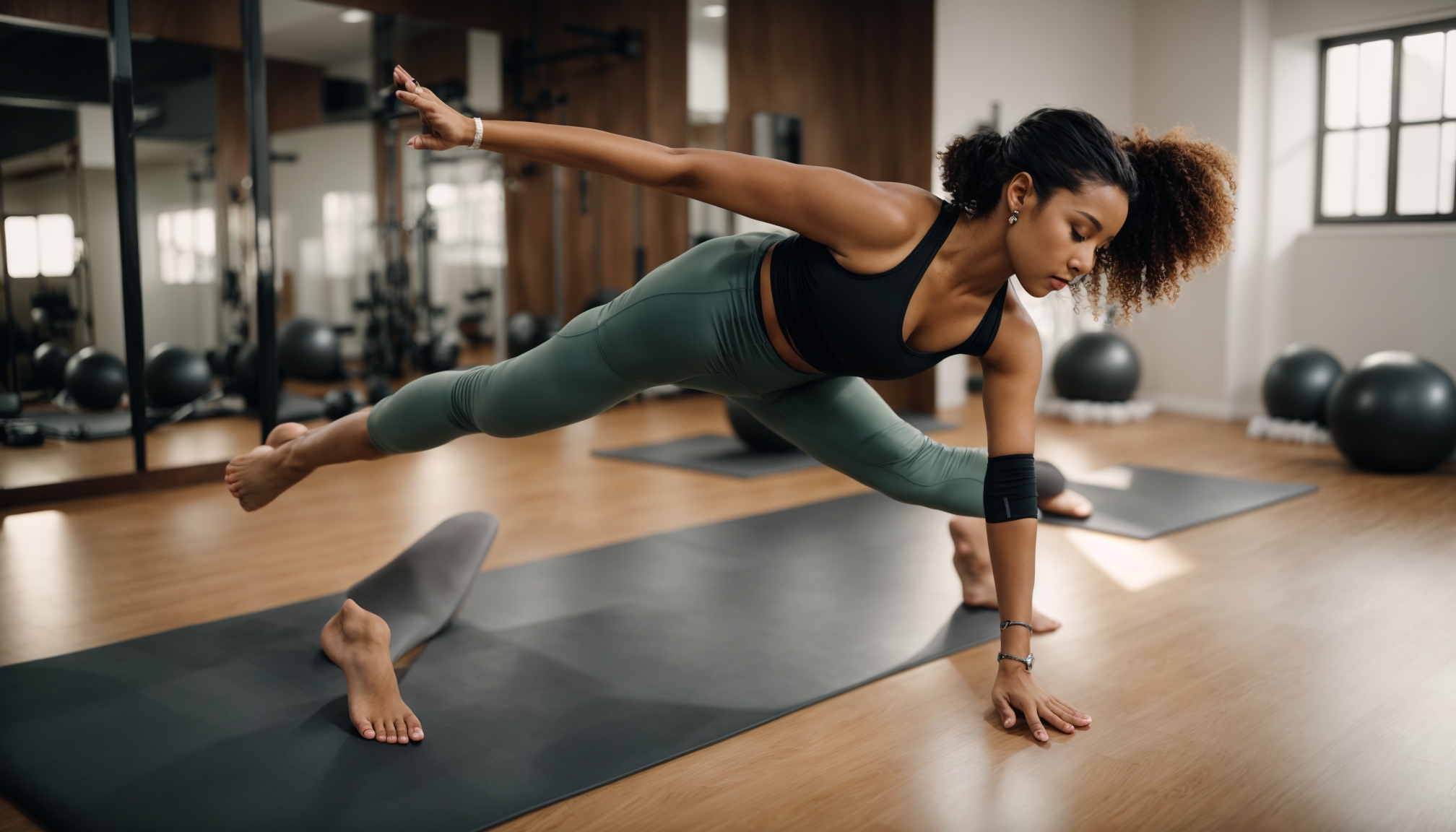
Pilates Pila – Strength, Balance, Wellness – Pilates exercises long term have proven effective in promoting sustained joint health by improving flexibility, strength, and stability with low-impact movements.
Pilates exercises long term focus on controlled body movements that engage deep muscle groups. These exercises improve the stability of joints, reduce strain, and enhance mobility. Practicing consistently helps maintain joint cartilage, thus reducing the risk of osteoarthritis and other degenerative joint conditions.
Several Pilates exercises long term practitioners recommend include leg circles, spine stretch, and the pelvic curl. These movements target major joints such as hips, spine, and knees while encouraging proper alignment. Balanced muscle development through Pilates reduces uneven stresses on joints, which is essential for long-term joint preservation.
To benefit fully from Pilates exercises long term, it’s important to maintain a regular exercise schedule. Starting with beginner-friendly routines and gradually increasing intensity lowers injury risks and fosters consistent joint care. Using professional guidance during initial sessions ensures exercises are performed correctly, maximizing joint protection.
Read More: Health Benefits of Pilates: Why It’s More Than Just Exercise
Implementing Pilates exercises long term plays a vital role in injury prevention by enhancing the muscular support around joints. Strengthening smaller stabilizing muscles helps maintain joint alignment during everyday activities. Consequently, Pilates acts as a proactive strategy to preserve joint function and reduce chronic pain associated with joint degeneration.
Consistency and attention to form are critical when practicing Pilates exercises long term. Combining Pilates with complementary activities such as swimming or walking supports overall joint wellness. Proper breathing techniques during Pilates also increase oxygen delivery, aiding tissue repair and joint health over time.
People who commit to Pilates exercises long term often experience increased mobility and reduced joint discomfort. This improvement translates into better daily function and quality of life. By focusing on joint-centric Pilates routines, individuals create sustainable habits that protect their joints well into the future.