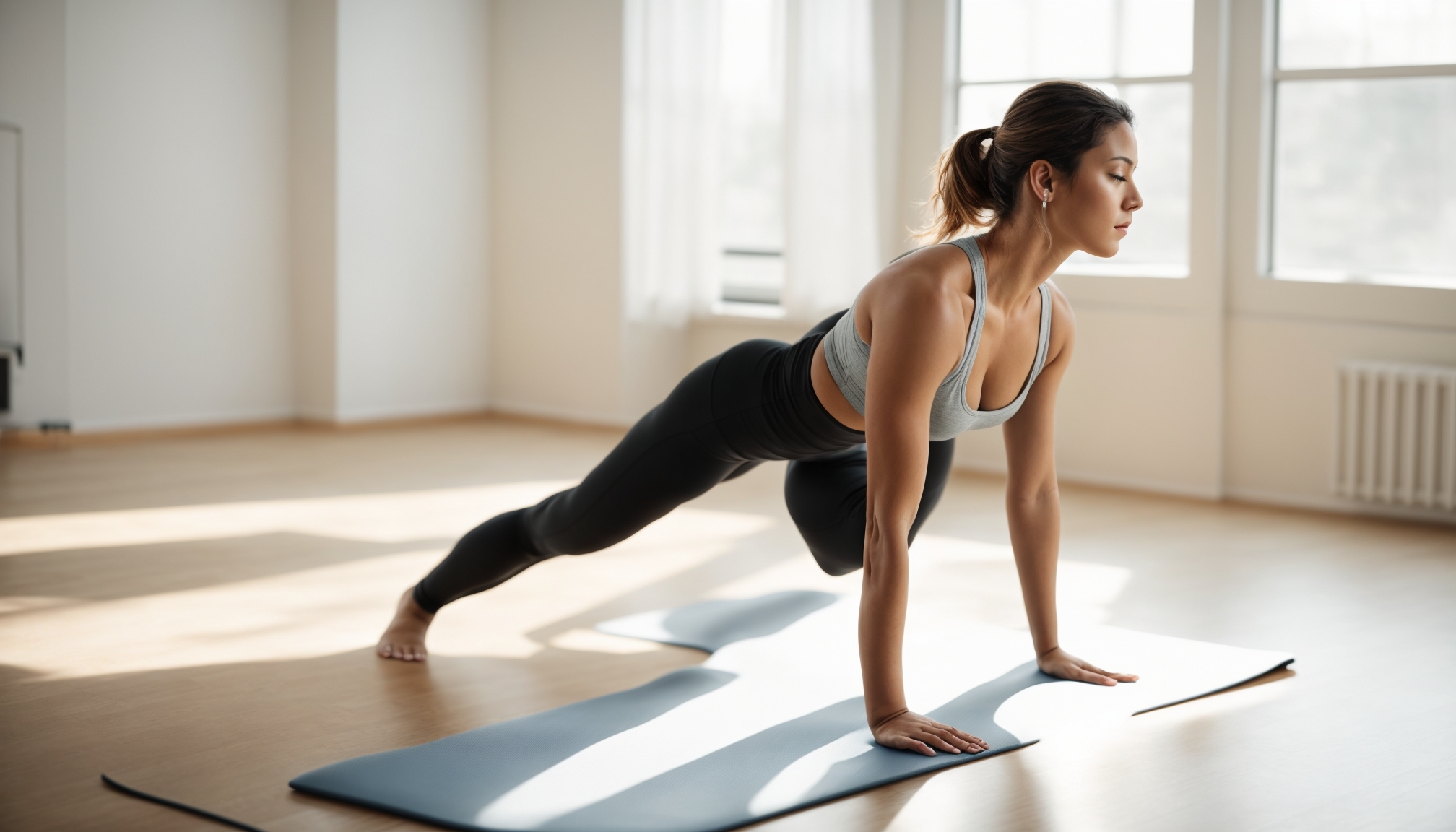
Pilates Pila – Strength, Balance, Wellness – Instructors increasingly recommend pilates training for beginners to build strength, improve posture, and reduce injury risk in everyday movement.
Pilates training for beginners focuses on precise, controlled movements that strengthen deep core muscles and support the spine. Unlike high-impact workouts, Pilates trains stability, alignment, and breathing patterns that enhance overall body awareness. This foundation helps people move more efficiently during work, exercise, and daily tasks.
Many newcomers assume Pilates is only gentle stretching, but structured sessions actually challenge endurance and muscular control. The method targets smaller stabilizing muscles that traditional weight training often overlooks. As a result, the body learns to stay steady under load, which supports joints and reduces strain.
Because Pilates emphasizes quality of movement over quantity, sessions remain accessible to different ages and fitness levels. Practitioners can adapt exercises with props, smaller ranges of motion, or modified positions while still building a stronger base.
At the heart of pilates training for beginners lies the concept of core integration. The “core” in Pilates includes not just the abdominals, but also the pelvic floor, lower back muscles, and diaphragm. Coordinated engagement of these areas creates a natural corset that protects the spine during both exercise and daily life.
Classic mat exercises such as pelvic curls, dead bug variations, and modified planks teach the body to stabilize before moving. Over time, this approach helps reduce lower-back discomfort and supports better lifting mechanics. Strong, responsive core muscles also allow the hips and shoulders to move freely without overcompensating.
Breath plays a crucial role in this process. Instructors often cue deep, lateral breathing that expands the ribcage while maintaining support through the midsection. This coordinated breath pattern improves focus, oxygen delivery, and control during challenging sequences.
Another key benefit of pilates training for beginners is improved flexibility and joint mobility. Many exercises use dynamic stretching through controlled ranges rather than bouncing or forcing a position. This safer approach gradually lengthens tight muscles while keeping them active.
Office workers and frequent device users often develop rounded shoulders and a forward head posture. Pilates addresses these imbalances by strengthening the upper back and opening the chest. Movements like spine extension, arm arcs, and shoulder blade glides encourage proper alignment.
Over time, better posture reduces strain on the neck and lower back. Standing, walking, and even sleeping positions become more efficient and comfortable. As a result, people often report fewer aches after long days of sitting or commuting.
Baca Juga: Penjelasan medis tentang manfaat latihan penguatan inti
When starting pilates training for beginners, safety and progression matter more than intensity. New participants benefit from learning neutral spine, proper pelvic placement, and shoulder stability before attempting advanced moves. These fundamentals prevent common mistakes like over-arching the back or gripping the neck.
Working with a certified instructor, either in person or online, helps ensure correct technique and suitable modifications. People with existing conditions, such as back pain or joint issues, should share their history so exercises can be adapted. Simple adjustments in angle, range, or support often make movements both safer and more effective.
Consistent practice, even just two or three times per week, produces noticeable changes. Sessions can last 20–45 minutes, allowing busy individuals to fit Pilates into their schedule without feeling overwhelmed.
One advantage of pilates training for beginners is its compatibility with other forms of exercise. Runners, cyclists, and strength athletes increasingly use Pilates to correct imbalances and enhance performance. Improved core stability translates into better power transfer, balance, and coordination across many sports.
In daily life, the principles of Pilates quickly become practical tools. People learn to brace the core before lifting a heavy bag, maintain alignment while standing in line, and breathe efficiently during stressful moments. These small adjustments significantly reduce fatigue and tension.
As coordination improves, many practitioners feel more confident exploring intermediate progressions. However, maintaining focus on control and alignment remains essential, even as exercises grow more dynamic.
Over months of pilates training for beginners, the body adapts with stronger muscles, more flexible joints, and steadier balance. These changes support resilience against everyday stressors, from long workdays to recreational sports. Because the method values mindful movement, it also encourages a healthier relationship with exercise.
Many people find that Pilates complements stress management practices such as walking or meditation. Focused breathing and controlled movement create a sense of calm while still challenging the body. This combination makes it easier to maintain a long-term routine instead of cycling through extreme programs.
Ultimately, pilates training for beginners offers a structured, sustainable path toward a stronger, more resilient body. With patience, consistent practice, and attention to form, anyone can build lasting support for their spine, joints, and daily movement patterns.