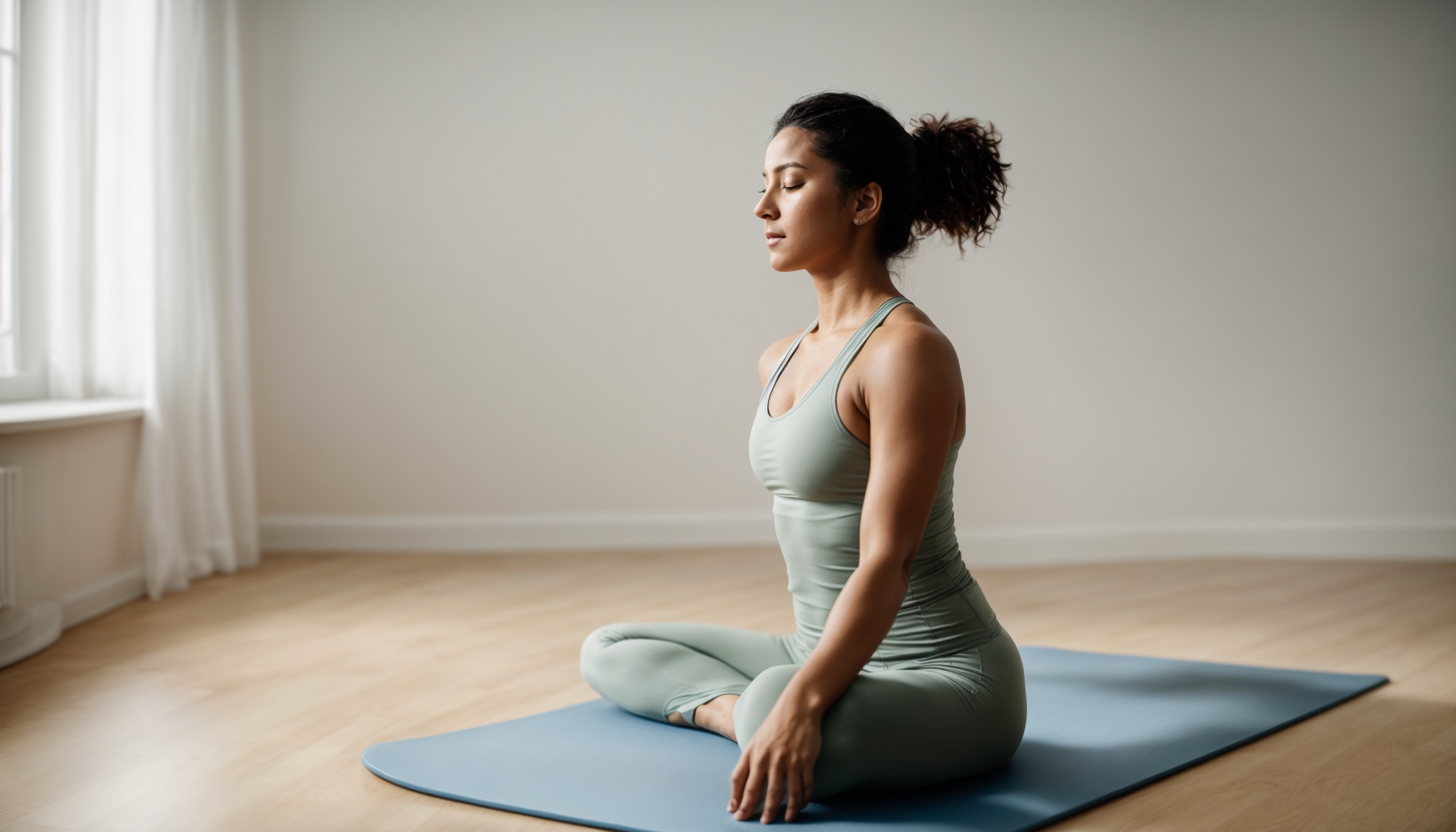
Pilates Pila – Strength, Balance, Wellness – Pilates body awareness workouts now draw attention from people seeking better posture, stronger cores, and more mindful movement in daily activities.
Pilates body awareness workouts focus on precise control of movement, breathing, and alignment. Practitioners learn to notice how each joint moves, how muscles engage, and how the spine supports every action. This mindful approach helps reduce unnecessary tension and creates more efficient patterns when standing, walking, or exercising.
Body awareness means sensing the position and movement of the body in space. Pilates trains this sense through slow, controlled exercises rather than fast repetitions. Over time, people begin to recognize imbalances, such as favoring one side of the body or locking the knees. As a result, they can adjust posture more easily and prevent discomfort.
These methods suit a wide range of fitness levels because they emphasize control instead of high impact. Beginners can start with simple mat exercises, while advanced practitioners may use equipment like the reformer or cadillac. In each case, the goal remains the same: build a stronger, more coordinated body through accurate, intentional movement.
Several core principles guide pilates body awareness workouts, including concentration, control, centering, precision, breath, and flow. Concentration keeps the mind present with every repetition, avoiding rushed or careless motions. Control ensures muscles work in harmony, instead of allowing momentum to take over.
Centering refers to engaging the core muscles around the abdomen, lower back, and pelvis. This stable center supports the spine and allows the arms and legs to move more freely. Precision encourages smaller, more accurate movements rather than large, sloppy ones. Finally, the breath coordinates with motion, while flow connects exercises into smooth, continuous sequences.
When these principles combine, the practice becomes a moving meditation. People notice small details, such as how the ribs expand with each inhale or how the pelvis tilts during a bridge. This awareness then transfers outside the studio, improving posture while working at a desk or carrying groceries.
Many classic mat exercises support pilates body awareness workouts by highlighting alignment and control. The pelvic curl, for instance, teaches articulation of the spine. Starting on the back with knees bent, practitioners slowly lift the hips, one vertebra at a time, and then lower with the same precision. This movement encourages equal work from both sides of the body.
The spine twist and saw exercises help people notice rotation and length in the spine. These moves reveal differences in flexibility between the left and right sides. Meanwhile, the single leg stretch and double leg stretch emphasize coordination between breath and abdominal control, training the core to support the lower back.
Simple standing work can also sharpen awareness. Practitioners may practice rising onto the balls of the feet while keeping the weight balanced across all toes, or perform mini-squats while maintaining a long, neutral spine. Over time, these controlled drills translate into more stable walking, climbing stairs, and athletic movements.
Read More: Pilates health benefits and expert practice guidelines
Consistent practice strengthens the effects of pilates body awareness workouts. Short sessions, even 10 to 15 minutes a day, can support better posture and breathing habits. For office workers, a few seated spine stretches or gentle core activations during breaks may ease tension in the neck and shoulders.
Morning routines offer another opportunity. A brief sequence of pelvic curls, chest lifts, and gentle twists can prepare the spine for the day. In the evening, slow, controlled movements paired with calm breathing help release stress and encourage better sleep. By repeating similar patterns regularly, the nervous system learns to choose more efficient movement.
In addition, people can apply pilates cues during everyday tasks. While brushing teeth, they can soften the knees and lengthen the neck. When lifting objects, they can engage the core and hinge at the hips instead of rounding the back. These small adjustments prevent strain and help the body move with greater ease.
Many people turn to pilates body awareness workouts to address chronic discomfort or postural issues. Strengthening the deep abdominal and back muscles supports the natural curves of the spine. This alignment can relieve pressure on the neck, shoulders, and lower back, especially for those who sit for long hours.
Improved balance is another major benefit. Exercises that challenge stability, such as standing leg lifts or side planks, train the body to react quickly to subtle shifts. Older adults, athletes, and desk workers alike can gain confidence in their ability to recover from stumbles or uneven surfaces.
Because pilates emphasizes controlled, low-impact movement, it often plays a role in rehabilitation and injury prevention. By learning how to move joints through their full range without strain, practitioners reduce the risk of overuse injuries. Therapists and trainers frequently integrate these methods into programs for knee, hip, and shoulder health.
Finding the right environment supports long-term success with pilates body awareness workouts. Many studios offer beginner classes that focus on foundational exercises and safe alignment. Certified instructors can observe movement patterns, provide hands-on or verbal corrections, and adjust exercises for different abilities.
Online platforms also offer guided sessions, which help when in-person classes are not available. However, those with existing injuries or medical conditions should consult health professionals before starting new routines. Clear communication about pain, mobility limitations, or previous surgeries allows instructors to adapt sessions appropriately.
Consistency matters more than intensity. Setting realistic goals, such as two or three sessions per week, encourages steady progress. Over months, people often notice they stand taller, breathe more deeply, and move with greater confidence. Through patient practice, pilates body awareness workouts become a reliable method for building strength, ease, and mindfulness in everyday life.