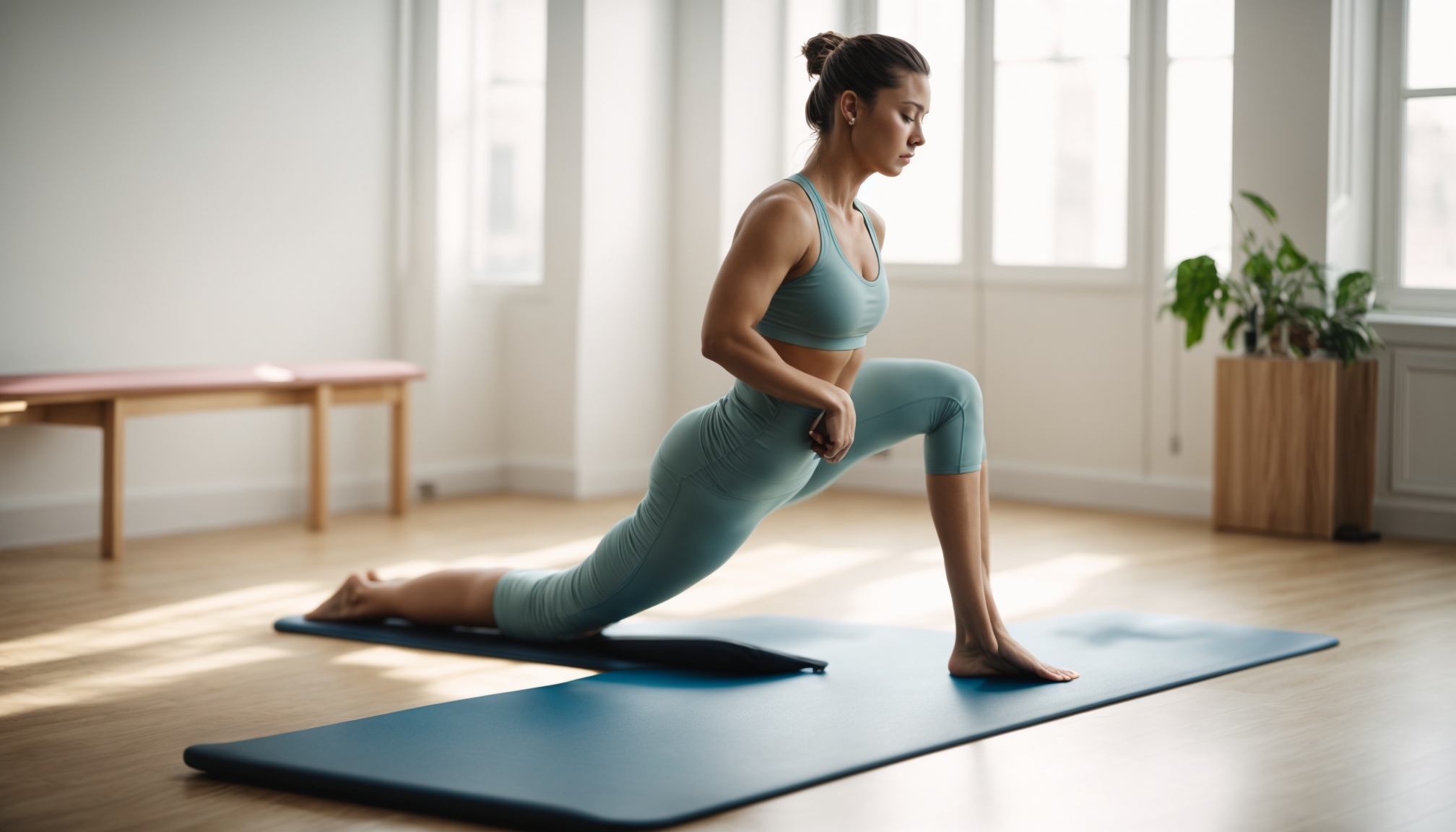
Pilates Pila – Strength, Balance, Wellness – Growing interest in pilates for long-term health highlights how controlled movement, mindful breathing, and core strength training can protect joints, improve posture, and support an active life well into older age.
Pilates focuses on balanced muscle development, which reduces strain on the spine and joints. Instead of quick, exhausting sessions, it builds strength and mobility steadily. This approach makes pilates safe for many ages and body types.
The method emphasizes the deep core muscles that support the lower back and pelvis. When these muscles work efficiently, everyday activities such as walking, lifting, and sitting become easier and safer. Over time, this protection is crucial for joint preservation.
Because pilates uses slow, precise movements, it trains body awareness. Better awareness helps people avoid poor posture, awkward lifting habits, and repetitive stress. These adjustments may seem small but offer strong protection over the years.
Six key principles define pilates practice: concentration, control, centering, precision, breath, and flow. These principles guide how each exercise should feel, not just how it looks.
Concentration ensures you stay present in every repetition. Control prevents jerky, rushed motions that overload joints. Centering focuses effort around the trunk, supporting the spine like a natural brace.
Precision refines alignment, so knees, hips, shoulders, and spine share workload evenly. Coordinated breathing supports endurance and calms the nervous system. Finally, flowing transitions create sequences that feel smooth, helping the body move efficiently.
Healthy joints depend on stability and mobility in equal measure. Pilates strengthens the muscles that hold each joint in alignment while also encouraging full, pain-free range of motion. This combination can ease stiffness and reduce compensation patterns.
For the spine, regular practice can lengthen tight muscles along the back and hips. At the same time, it activates deep stabilizers such as the transverse abdominis and multifidus. This dual action supports the vertebrae and may lower the risk of recurring back discomfort.
Many physio-led programs now include pilates-inspired exercises to support recovery and long-term resilience. The method adapts easily, from gentle mat work to more challenging reformer sessions.
Read More: Comprehensive medical overview of pilates health benefits
To enjoy pilates for long-term health, consistency matters more than intensity. Many experts recommend two to three sessions per week, even if each session lasts just 20 to 30 minutes. Short, regular practice usually beats occasional long workouts.
Beginners can start with basic mat exercises, focusing on breathing and alignment. As control improves, more complex movements, small props, or equipment such as the reformer can add variety and challenge.
It is wise to progress gradually. The body needs time to adapt to new demands on muscles and connective tissues. A patient approach helps maintain motivation and lowers the chance of overuse injuries.
One strength of pilates lies in its adaptability. Younger adults might use it to balance heavy strength training or high-impact sports. In this role, it supports recovery, mobility, and injury prevention.
Midlife practitioners often look for ways to manage stress, stiffness, and early joint changes. Regular sessions can improve posture at work, reduce neck and shoulder tension, and support hip and knee health.
Older adults may focus on fall prevention, balance, and daily function. Gentle standing sequences, supported mat work, and chair-based variations keep movements accessible while maintaining strength and coordination.
Although pilates offers powerful benefits, long-term health depends on a wider lifestyle picture. Walking, cycling, or swimming can add cardiovascular conditioning that complements core and mobility training.
Good sleep, balanced nutrition, and stress management all influence how the body responds to exercise. When these elements work together, results from pilates often appear faster and feel more sustainable.
Hydration and regular movement breaks during the day also reinforce the posture and body awareness gained in class. Over time, pilates principles begin to shape how you sit, stand, and move outside the studio.
Anyone new to pilates for long-term health should consider an introductory class with a qualified instructor. Skilled guidance ensures correct alignment from the beginning and helps modify moves for any existing concerns.
Set modest, clear goals, such as easing back tension, improving balance, or standing taller. These concrete outcomes make progress easier to notice and celebrate.
Finally, treat each session as an investment in future mobility. With patience and regular practice, pilates for long-term health can support a strong, supple body that moves confidently through all stages of life.