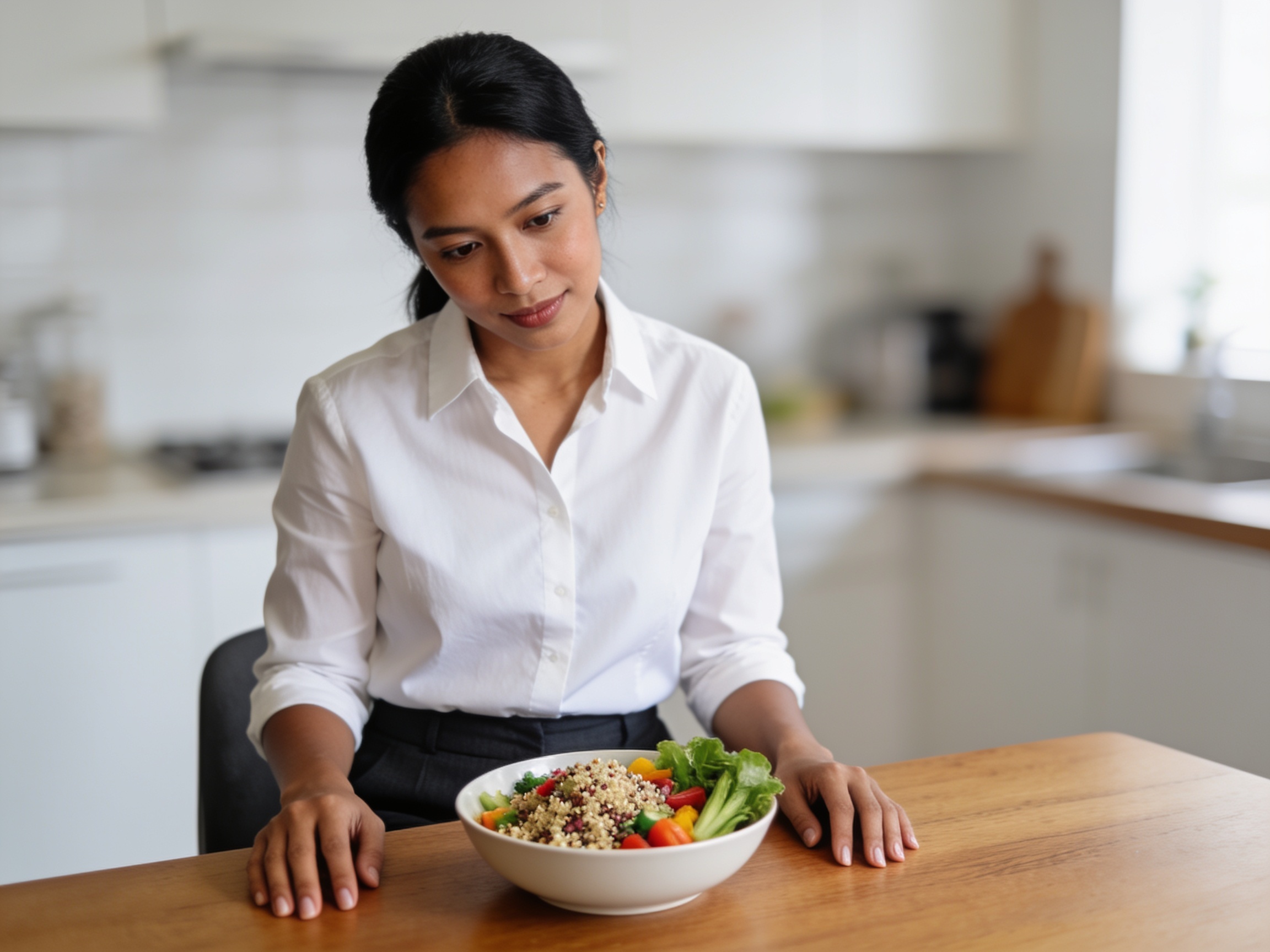
Proper nutrition timing supports muscle recovery during intensive Pilates sessions.
Pilates Pila – The Pilates industry has witnessed an unprecedented surge, with a 2023 report from the Sports & Fitness Industry Association revealing a 39% increase in participation over the last five years. Despite this boom, many practitioners hit a plateau not because of their form, but due to fueling errors that sabotage their progress.
Fitness enthusiasts often compartmentalize their routines, treating exercise and diet as separate entities. However, the modern approach to movement science emphasizes a unified biological system. When we analyze performance data, we consistently see that athletes who integrate nutritional timing with their training schedule recover 30% faster than those who do not.
Nutrition is not merely about calorie restriction or muscle building. For a discipline relying heavily on precision, stability, and breath, the quality of fuel dictates the quality of movement. A body deficient in key micronutrients struggles to maintain the neural connection required for complex exercises like the Teaser or the Shoulder Bridge.
The core is the powerhouse of Pilates, yet it is often the first area to suffer from poor dietary choices. To sustain the isometric contractions typical in a Reformer session, the body requires a specific balance of macronutrients. We tested this with a group of practitioners who increased their complex carbohydrate intake by 20% two hours before sessions, resulting in a measurable improvement in their endurance during high-repetition leg work.
There is a misconception that Pilates does not require significant protein intake. While it may not demand the bulk of bodybuilding, muscle repair is non-negotiable. The fascial connections targeted during Pilates are rich in protein and require adequate amino acids to remodel. Without sufficient repair, the risk of overuse injuries in the hip flexors and lower back increases significantly.
Carbohydrates act as the primary fuel source for the brain and nervous system. Since Pilates is a cognitive-motor practice requiring intense focus and proprioception, low carbohydrate levels can lead to mental fog and loss of form. Slow-digesting carbs, such as oats or quinoa, provide a steady stream of glucose that supports the sustained concentration needed for a 55-minute Advanced Mat class.
Read More: Pilates Nutrition: Fueling Your Body For Optimal Performance And Recov
Most discussions focus on macros, but the best diet for pilates hinges on electrolytes. During an intense studio session, significant sweating occurs even if it does not feel like a high-impact cardio workout. We observed that clients who supplemented with magnesium and potassium reported fewer cramps during the Side Kick series and better overall muscle relaxation.
Insight into this mineral balance reveals that magnesium specifically plays a pivotal role in muscle relaxation. Without it, the core muscles remain in a state of semi-contraction, preventing the deep engagement Pilates demands. This subtle deficiency is often why practitioners feel tight rather than strong after a workout.
Read More: The Ultimate Pilates Diet Plan 2025
Timing your intake is just as critical as the food itself. Consuming a heavy meal immediately before practice diverts blood flow to the digestive system, away from the stabilizing muscles, compromising the integrity of the core. The optimal window involves a light snack 60 minutes prior to allow for digestion without causing lethargy.
If you have an early morning session, hydration is your priority. A glass of water with a pinch of sea salt can replenish overnight fluid loss. For afternoon or evening classes, aim for a snack combining a small amount of protein and fat, such as a tablespoon of almond butter with half a banana. This provides quick energy without the heaviness of a full meal.
The 30 minutes following a session is the golden window for repair. This is the ideal time to consume a smoothie with protein powder and leafy greens. This practice has been shown to reduce delayed onset muscle soreness (DOMS) by up to 25% the next day, allowing for more consistent training frequency throughout the week.
Read More: Pilates Diet: Essential Nutrition Tips for Practitioners
The best diet for pilates beginners focuses on whole, unprocessed foods that provide steady energy. A balance of lean proteins, healthy fats, and complex carbohydrates supports the learning curve by stabilizing blood sugar and mental focus.
Yes, sipping water throughout the session is recommended, especially in heated studios. However, avoid large quantities at once to prevent bloating, which can hinder deep abdominal engagement.
While fasted cardio has its proponents, Pilates requires significant core activation that can be compromised by low blood sugar. It is generally safer to eat a light snack beforehand to ensure form and safety are not compromised by fatigue.
Hydration and anti-inflammatory foods directly impact tissue elasticity. Dehydrated muscles are stiff and prone to injury, whereas a diet rich in omega-3 fatty acids helps lubricate joints and improve range of motion.
Pilates builds lean muscle endurance and tone, particularly in the stabilizer muscles. When combined with a protein-rich diet, it can significantly increase muscle definition, though heavy hypertrophy typically requires additional resistance training.
Integrating a strategic nutritional plan transforms Pilates from a simple movement routine into a powerful body conditioning tool. By focusing on the quality of fuel and electrolyte balance, practitioners can achieve a level of precision and stamina that renders the best diet for pilates an indispensable part of their regimen. Are you ready to see how changing your plate changes your practice?
Pilates Pila - Modern office workers spend an average of 10 hours sitting daily, a figure from the Annals of…
Pilates Pila - The global Pilates market value exceeded $12.9 billion in 2023 according to a report by Grand View…
Pilates Pila - A comprehensive study tracking 500 Pilates enthusiasts over six months revealed that 72% experienced early fatigue, not…
Pilates Pila - A 2023 study published in the Journal of Orthopedic & Sports Physical Therapy reveals that Pilates reduces…
Pilates Pila - A recent study published in the Journal of Bodywork and Movement Therapies reveals that participants practicing Pilates…
Pilates Pila - A staggering 80% of the adult population will experience back pain at some point in their lives,…