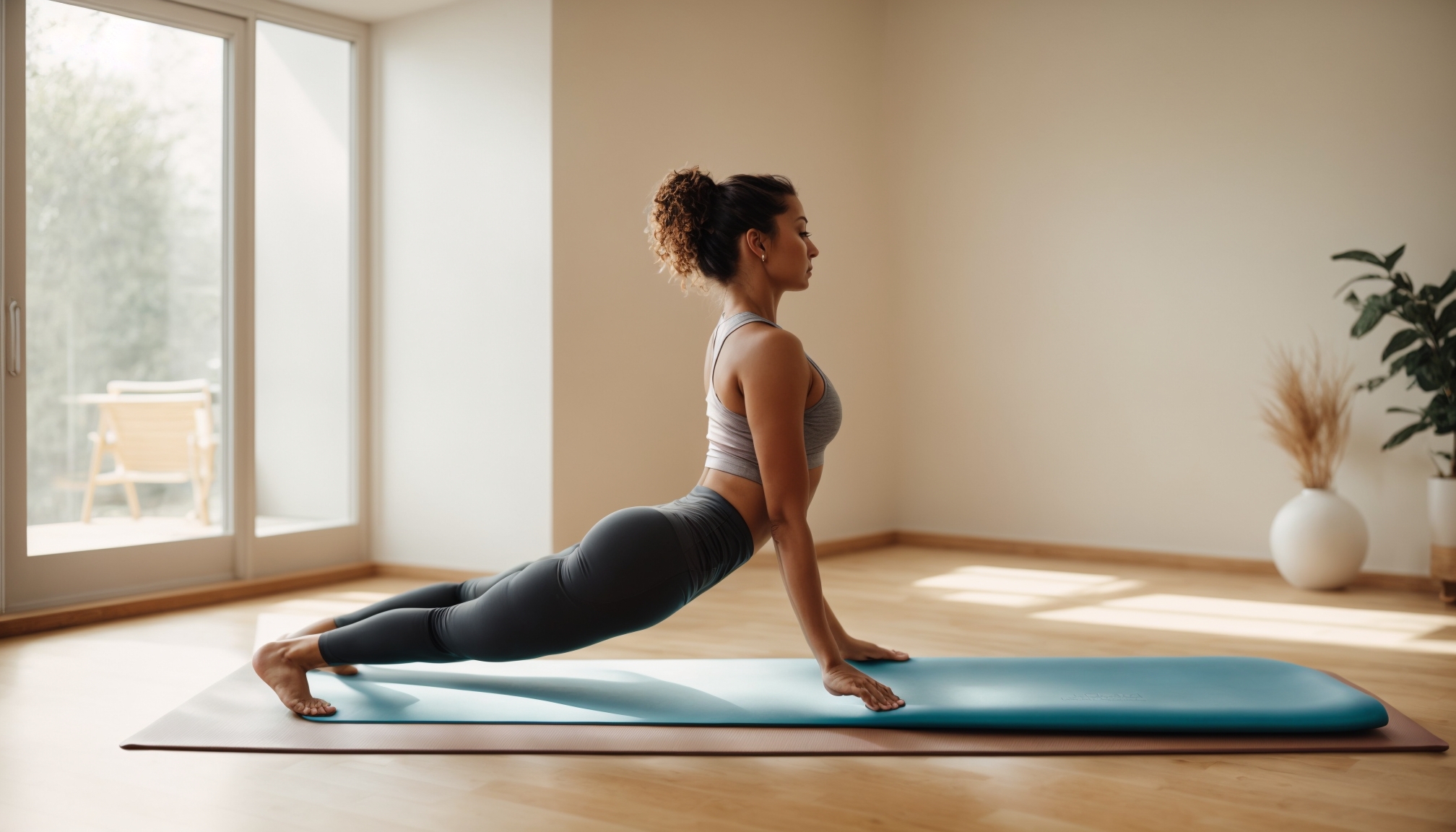
Pilates Pila – Strength, Balance, Wellness – Simple and structured pilates workouts for beginners now help more people build strength, enhance flexibility, and reduce stress without needing complicated equipment or long sessions in the studio.
Pilates builds balanced strength, focuses on core stability, and supports healthy posture. It trains deep muscles around the spine, hips, and shoulders, which improves daily movement and protects joints. Many people also choose pilates workouts for beginners because the controlled breathing and precise movements calm the nervous system.
Unlike high-impact training, Pilates uses slow, intentional exercises that reduce pressure on knees and lower back. As a result, it fits different ages and fitness levels, including people returning from a break or managing mild stiffness. Regular practice can ease muscle tension, sharpen body awareness, and support better coordination.
Breath plays a central role in every session. Coordinating inhalations and exhalations with movement improves concentration and creates a meditative flow. This combination of mental focus and physical effort turns each session into a powerful tool for stress relief.
Starting pilates workouts for beginners at home requires only a mat, comfortable clothing, and a quiet space. Begin with short routines of 10–15 minutes and focus on quality instead of speed. A simple warm-up might include pelvic tilts, gentle spinal rotations, and shoulder rolls to prepare joints and muscles.
Beginner-friendly moves include the pelvic curl, dead bug variations, and basic bridge. These exercises activate the core without straining the neck or lower back. Keep your ribs heavy on the mat, lengthen your spine, and avoid holding your breath. Over time, you can extend sessions to 25–30 minutes as your control improves.
Consistency matters more than intensity. Practising three times per week already brings noticeable changes in posture, stability, and energy levels. Meanwhile, tracking progress—such as holding positions longer or feeling less tension in the shoulders—keeps motivation high and training sustainable.
The best pilates workouts for beginners balance core, upper body, and lower body work. A well-rounded list of ten routine types might include core foundations, hip mobility flows, back and posture sequences, and gentle full-body sessions for recovery days. Each routine can last between 15 and 30 minutes.
Core-focused sessions target the abdominals, obliques, and deep spinal muscles with moves like the hundred, toe taps, and modified roll-downs. Strength sequences for legs and glutes use side-lying leg lifts, clamshells, and bridges with single-leg variations. For the upper body, Pilates push-ups, triceps dips on a chair, and arm reaches in kneeling positions build endurance without heavy weights.
Flexibility-focused routines lengthen hamstrings, hip flexors, and chest muscles. Exercises such as the spine stretch forward, saw, and mermaid side stretch release tension from hours of sitting. When combined with controlled breath, these sequences create a smooth rhythm that feels both energising and calming.
The mindful nature of pilates workouts for beginners makes them a strong ally for mental health. Each exercise demands focus on alignment, breathing, and smooth movement. This deep concentration directs attention away from daily worries and towards the present moment, similar to moving meditation.
Slow, steady breathing stimulates the body’s relaxation response, which can lower heart rate and ease muscle tightness. In addition, the sense of progress—from mastering a new movement to feeling more stable in balance exercises—builds confidence. This improved self-belief often spreads into other areas of life, from work to relationships.
Read More: Evidence-based overview of Pilates health benefits
People who practise regularly often report better sleep, reduced feelings of anxiety, and a greater sense of control over their bodies. Because many routines require no equipment, it becomes easier to maintain a calming habit at home, even during busy weeks.
Good pilates workouts for beginners offer clear options for different needs and limitations. Most movements allow simple adjustments: reducing the range of motion, placing hands behind the head for support, or keeping one foot on the floor. These choices maintain safety while still challenging the core and stabilising muscles.
As you grow stronger, you can adapt familiar routines instead of learning entirely new ones. For example, you may progress from bridge to single-leg bridge, or from toe taps to full tabletop leg extensions. This gradual increase in difficulty keeps the practice engaging and prevents plateaus.
On the other hand, anyone with existing injuries or chronic pain should move slowly, avoid sharp discomfort, and, when possible, consult a qualified professional. Quality instruction—whether through certified teachers or trusted educational platforms—helps ensure correct technique and reduces the risk of strain.
Long-term results from pilates workouts for beginners depend on building a routine that feels realistic. Scheduling short, regular sessions at the same time each day can transform Pilates into a daily ritual, like brushing your teeth. Pairing practice with existing habits, such as a morning coffee or evening wind-down, also helps consistency.
Variety keeps motivation high. Alternating core-focused days with flexibility sessions or gentle recovery flows prevents boredom and allows muscles time to adapt. Using calm background music, soft lighting, or a favourite corner of your home can turn practice into a small form of self-care.
Over months of consistent work, you may notice taller posture, easier breathing, and a calmer mind. These benefits make pilates workouts for beginners more than simple exercise; they become a reliable structure that supports overall wellbeing, both physically and mentally.