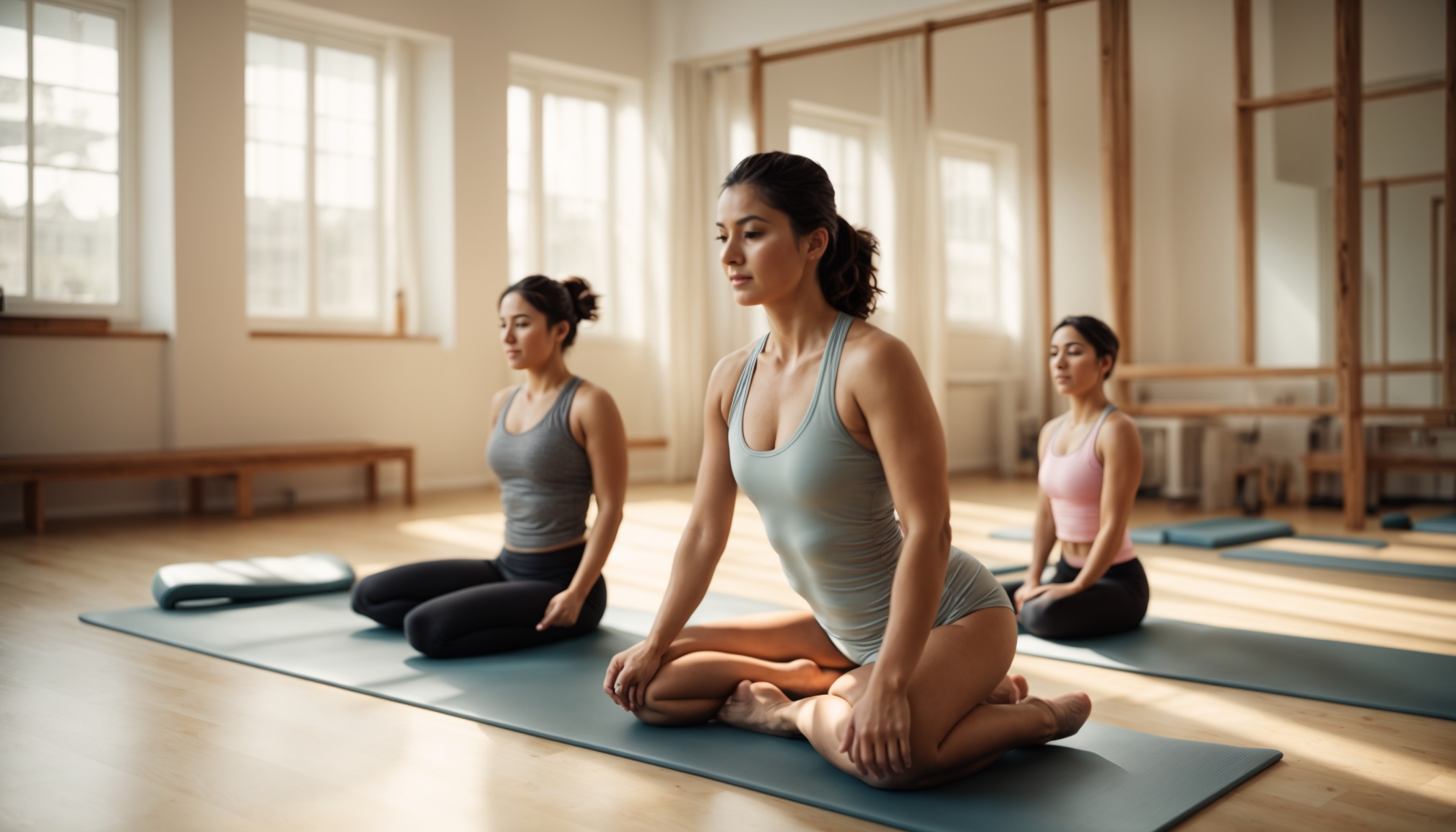
Pilates Pila – Strength, Balance, Wellness – New exercisers are turning to a structured pilates for beginners plan to build strength and better posture safely within their first seven days.
A clear pilates for beginners plan keeps you from doing random moves without direction. You avoid frustration and reduce the risk of neck or lower back strain. Instead, you build body awareness step by step.
In addition, a one-week structure gives you realistic expectations. You do not need to master every exercise immediately. You only need to show up, breathe, and move with intention each day.
Every pilates for beginners plan should start with the core principles. These ideas guide every movement and protect your joints from overload. Understanding them early makes your progress smoother.
First, focus on breathing. Inhale through the nose, expanding your ribs sideways. Then exhale through pursed lips, gently drawing the navel toward the spine. This ribcage breathing supports your core without gripping hard.
Second, work with control. Slow, precise repetitions are more effective than fast, sloppy ones. However, controlled does not mean stiff. Stay relaxed in your shoulders and jaw.
Third, practice alignment. Imagine a straight line from ears, shoulders, ribs, hips, to ankles. On the mat, keep your pelvis neutral, not overly tucked or arched. This alignment is central in any thoughtful pilates for beginners plan.
Your first day sets the tone. Start on the mat with five to ten minutes of gentle breathing and body scanning. Notice where you feel tightness, weakness, or tension. That awareness will guide your adjustments.
Begin with simple exercises: pelvic tilts, supine marches, and shoulder bridge prep. Keep repetitions low, around eight to ten per move. Meanwhile, focus more on form than intensity.
A smart pilates for beginners plan always respects your current level. If something hurts sharply, stop and modify the range. Mild muscular effort is fine; sharp joint pain is not.
On day two, you build on your base. Add classic beginner moves like the hundred prep, single leg stretch prep, and spine curl. Keep your neck long and your ribs heavy on the mat.
On the other hand, do not chase burn at this stage. You are learning patterns, not testing your limits. Use a folded towel under your head if your neck feels strained.
This stage of your pilates for beginners plan is ideal for short online classes. Choose videos specifically labeled for true beginners and under twenty minutes long.
By day three, include standing work. Begin by aligning your feet under your hips, spreading your toes, and unlocking your knees. Lengthen through the crown of your head.
Add gentle standing roll downs, wall slides, and heel raises. As a result, you connect your mat work to everyday posture and balance. Keep your breath steady throughout.
A comprehensive pilates for beginners plan should mix floor and standing exercises. This blend trains your body for real-life movements, not just positions on the mat.
Day four is lighter. Nevertheless, it is still important. Think of it as active recovery with focus on mobility and stretching. Spend more time on hip circles, spine twists, and shoulder mobility.
Use a tennis ball or soft massage ball under the glutes and upper back if available. Roll gently to release tension. Because of this release work, your core muscles can engage more freely the next day.
Every safe pilates for beginners plan alternates effort and recovery. This rhythm helps prevent burnout and keeps your motivation high.
On day five, you can increase the challenge slightly. Return to your earlier exercises and extend sets to ten or twelve controlled repetitions. Add movements like side lying leg lifts and swimming prep.
Therefore, you train the side body and back, not just the front of your core. Maintain clear alignment, especially around your lumbar spine and pelvis.
If you feel ready, introduce a short, structured class that follows a guided pilates for beginners plan from warm-up to cool-down in about twenty-five minutes.
By day six, movements should start to feel more familiar. Now you can focus on smoother transitions between exercises. Link each movement to your inhale or exhale.
Flow from one mat exercise to another with minimal pauses. However, never rush. Flow means continuous, not frantic. Stay present with each sensation in your body.
This is the day to revisit why your pilates for beginners plan matters. You are not chasing perfection. You are building a lifelong movement habit.
Read More: step by step guide to essential pilates beginner exercises
Use reputable online resources for visual references. They can clarify alignment cues you might miss on your own. In addition, they show common mistakes and how to fix them.
On day seven, repeat your favorite beginner sequence from the week. Mix core activation, gentle strength, and a few mobility drills. End with a longer stretch and relaxation on your back.
Take five minutes after your session to reflect. Notice improvements in body awareness, breathing, or posture. Write them down. As a result, you reinforce your progress and commitment.
At this point, your personal pilates for beginners plan is no longer abstract. You have lived it for a week and can now adjust it to your schedule and goals.
Many people hold their breath when exercises get hard. Instead, exhale on effort and inhale on release. This pattern supports your core automatically and prevents extra tension in the neck.
Another frequent mistake in any pilates for beginners plan is forcing the neck forward during curl-ups. Keep your gaze toward your thighs, not the ceiling. Support the base of your skull lightly with your hands.
Also avoid gripping your glutes and hip flexors excessively. The goal is balanced strength around your pelvis, not dominance of one muscle group.
If you are completely new to exercise, stay with basic variations longer. Use more props like pillows, towels, or a sturdy chair for support. Short ten-minute sessions are enough at first.
Meanwhile, if you already exercise regularly, you can hold positions slightly longer and add more sets. Still, keep the foundation of your pilates for beginners plan focused on form, not intensity.
People with existing back or joint issues should consult a professional instructor or healthcare provider for tailored modifications.
After seven days, the main win is consistency. Your pilates for beginners plan has helped you show up repeatedly, even on low-energy days. That habit matters more than perfect technique.
From here, schedule two to three structured sessions per week, plus short five-minute posture breaks on other days. Over time, your posture, breathing, and core strength will continue to evolve.
Stay curious about your body, update your pilates for beginners plan as you improve, and keep each session intentional, safe, and enjoyable.